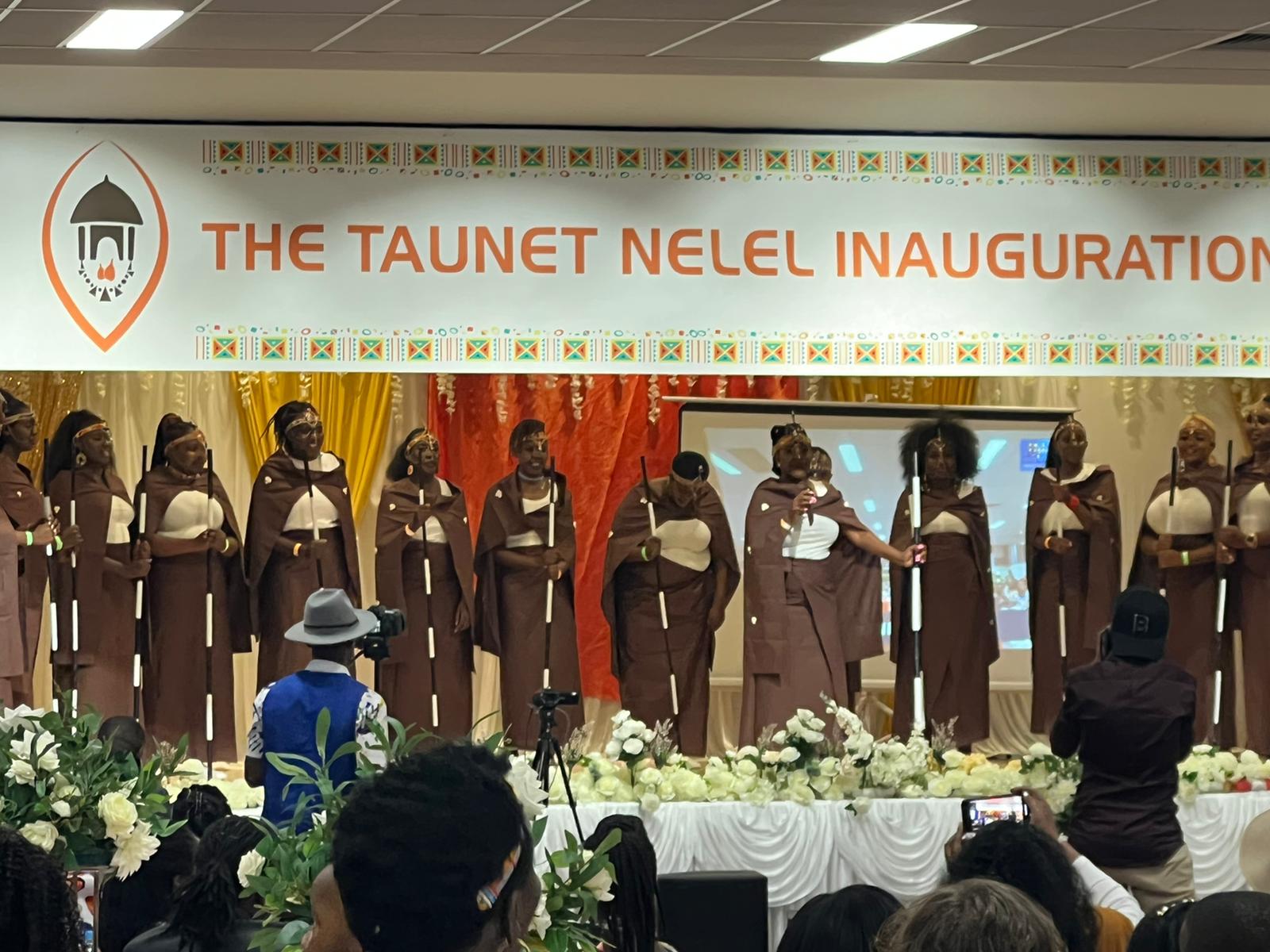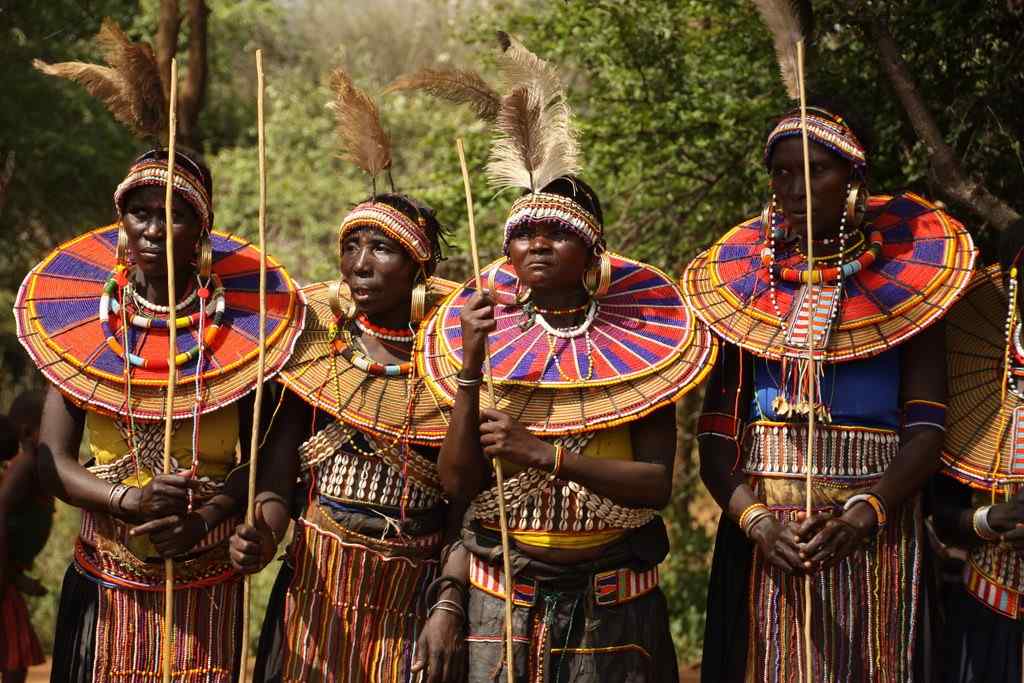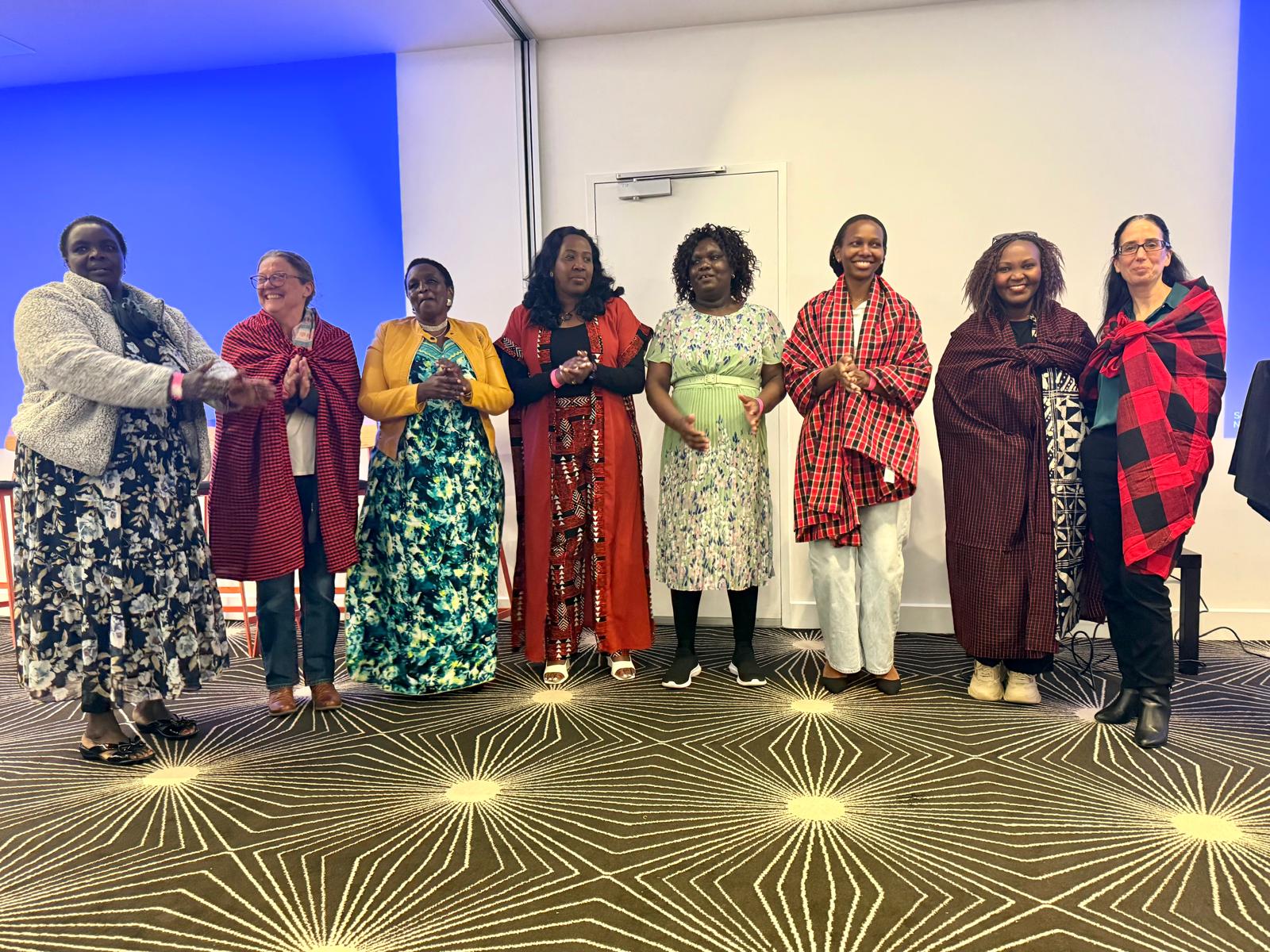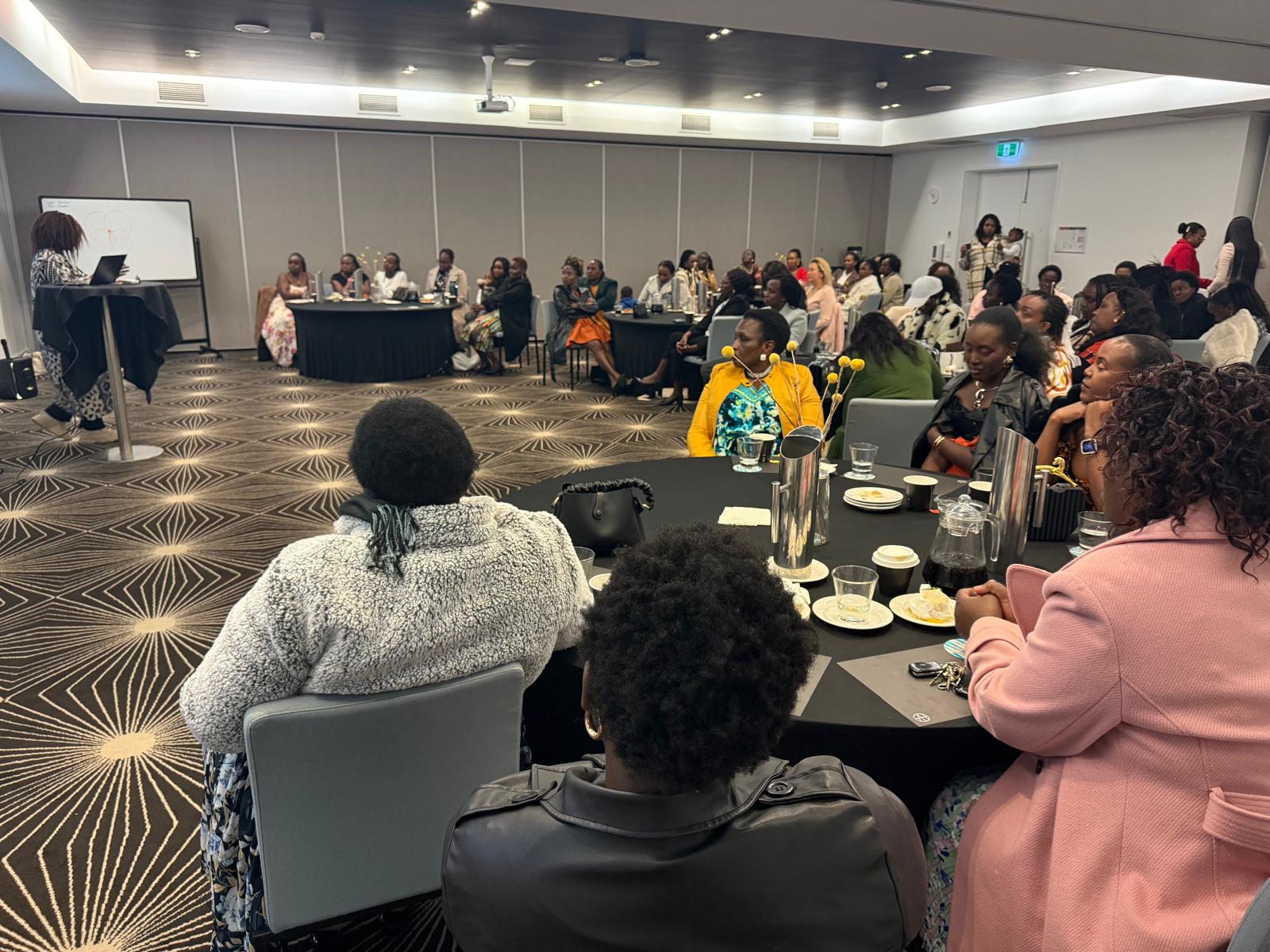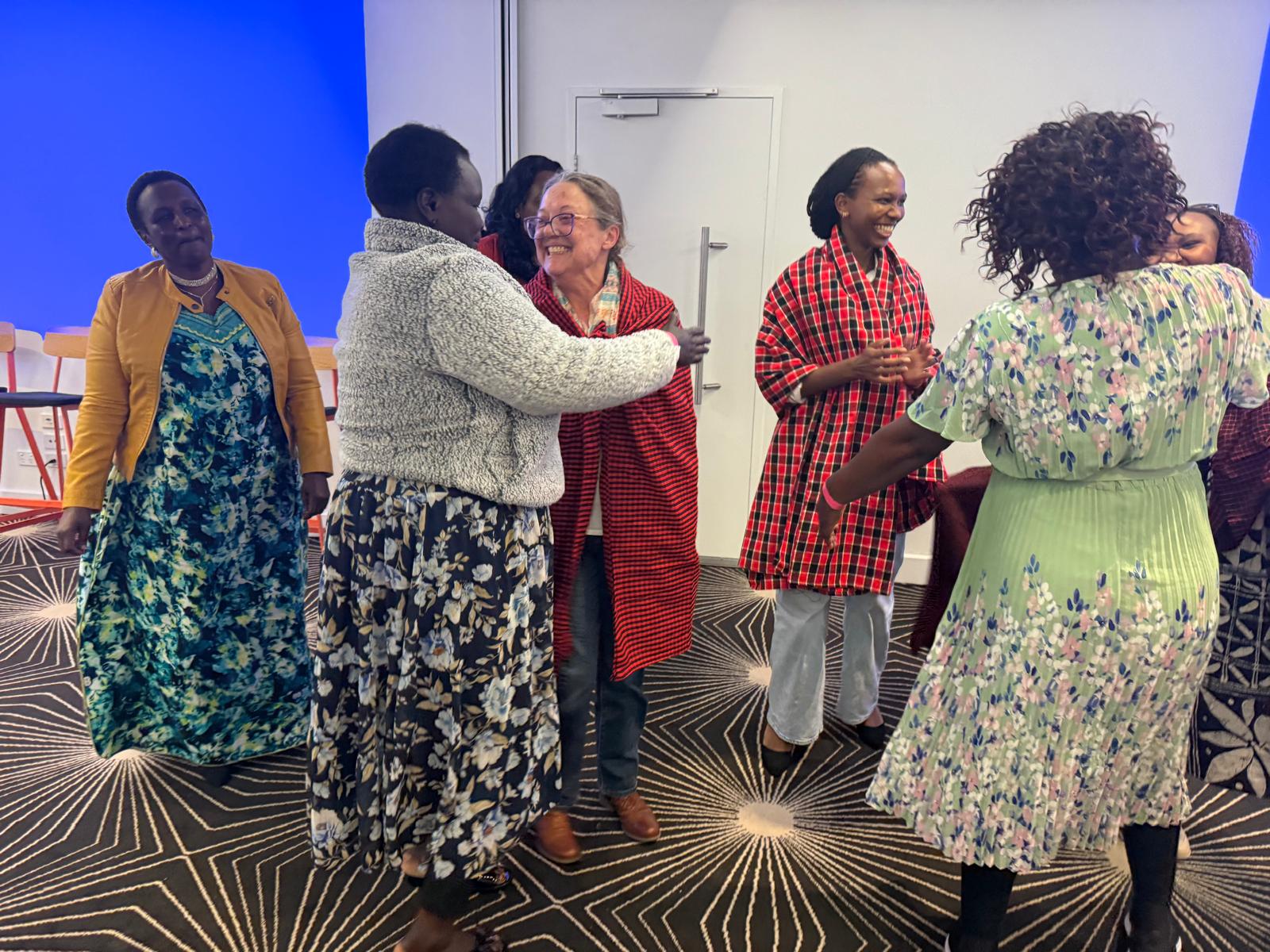


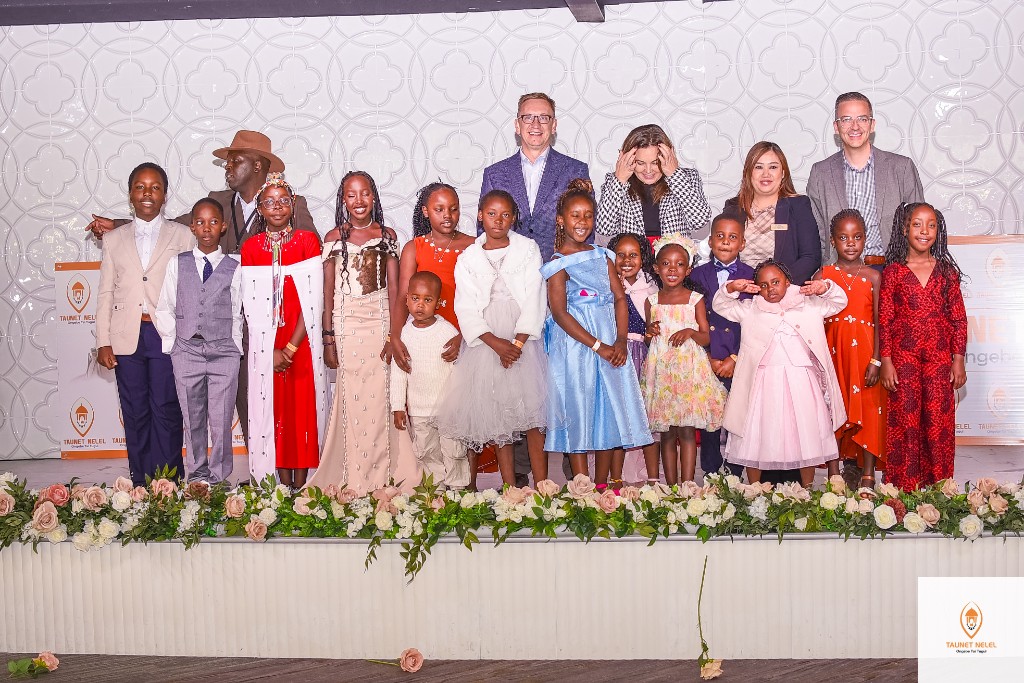
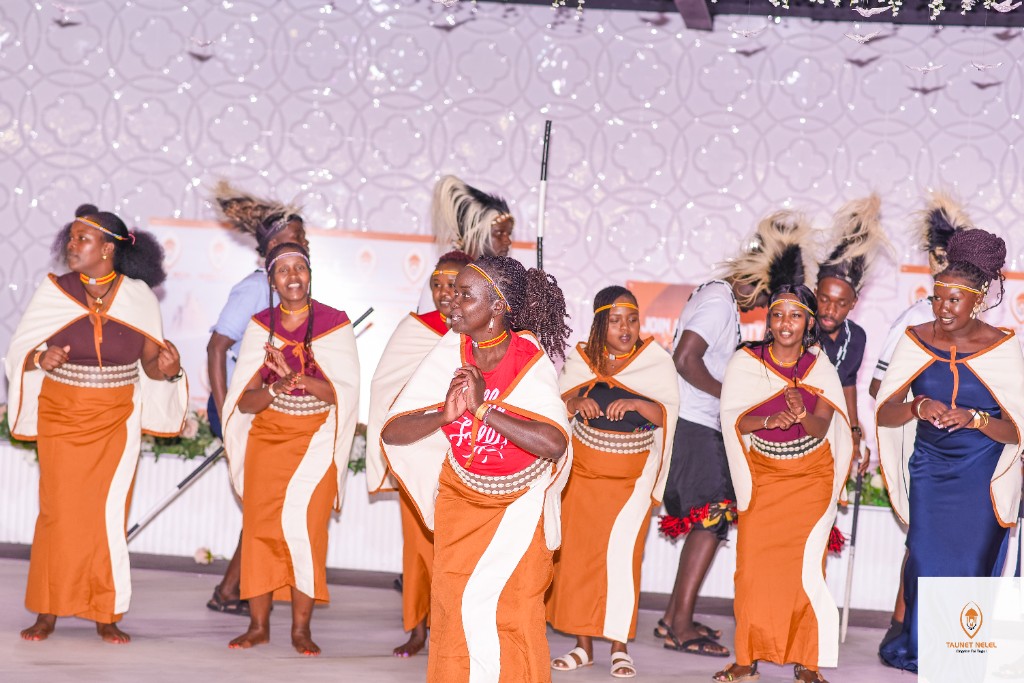
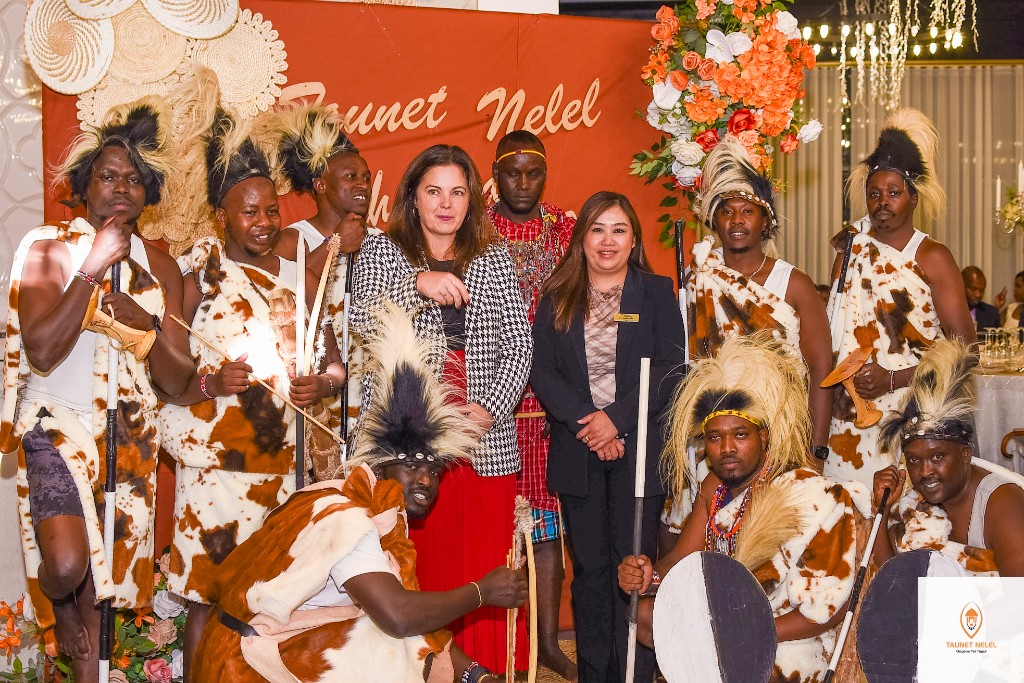
The Kalenjin people are an ethnic grouping of eleven culturally and linguistically related tribes: Kipsigis, Nandi, Keiyo, Marakwet, Sabaot, Pokots, Tugen, Terik, Sengwer, and Ogiek. Their homeland is Kenya's western highlands and the Rift Valley — spread across Nandi, Uasin Gishu, Kericho, Bomet, Elgeyo-Marakwet, Baringo, Trans Nzoia, Laikipia, and West Pokot. These speakers are distributed across different counties in Kenya, with many concentrated in the former Rift Valley province. Many speakers now live across Victoria, Australia.
Why are we teaching the Kalenjin language?
- To preserve and promote cultural heritage and identity.
- To strengthen intergenerational transmission of the language.
- To give learners a sense of pride and belonging in their community.
- To prevent language loss and ensure Kalenjin continues to thrive alongside global languages like English and Swahili.
Benefits of learning the Kalenjin language
- Cultural identity: Deeper understanding of traditions, history, and values.
- Communication: Better interaction with families, communities, and elders who prefer Kalenjin.
- Cognitive benefits: Multilingualism enhances memory, creativity, and problem-solving.
- Opportunities: Research, cultural tourism, storytelling, and local leadership roles.
- Social cohesion: Unity and belonging within the Kalenjin community.
Long-term goals
- Language revitalization and prevention of decline.
- A generation of fluent Kalenjin speakers, readers, and writers.
- Integration of Kalenjin into education, media, literature, and digital spaces.
- Pride in indigenous languages while balancing global competitiveness.
- Documentation and standardization for future generations.
Role of parents and community
- Parents: Speak Kalenjin at home, encourage children to respond in the language, and use it in daily activities.
- Community elders: Share oral traditions, stories, and proverbs to keep cultural wisdom alive.
- Wider community: Create spaces — festivals, church, ceremonies, media — where Kalenjin is actively used.
How we deliver
- Schools: Introduce Kalenjin lessons in the curriculum where possible; run weekend or evening classes.
- Digital platforms: Apps, social media, and YouTube for wider reach.
- Storytelling sessions: Oral traditions, songs, and folktales.
- Print & media: Books, children's stories, newspapers, and community programs in Kalenjin.
- Monthly literacy sessions through Taunet Nelel community programs.
Target groups
- Children and youth — the main focus for sustaining the language.
- Parents and guardians — key transmitters of language at home.
- Teachers and educators — for formal Kalenjin classes and community programs; to maintain connection to roots.